


The LVJIA water tank journal
Notes from 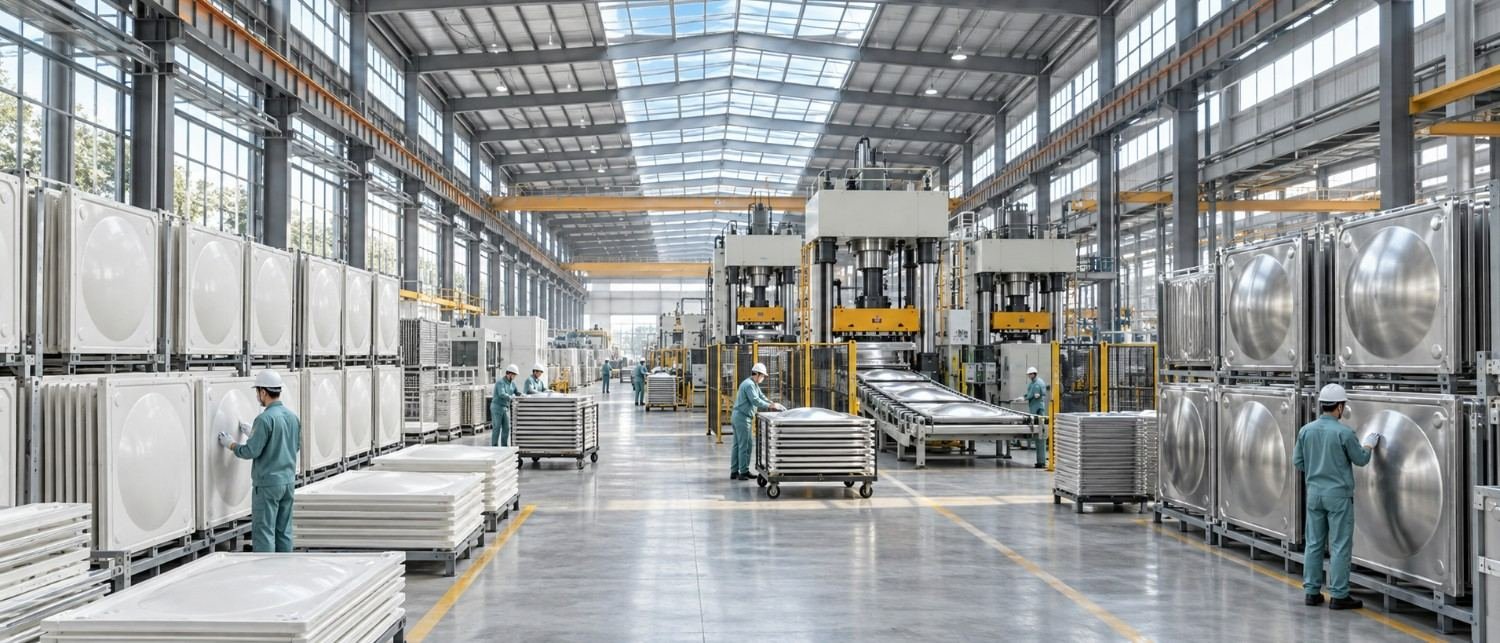 Wucheng, CN
 33 articles the water tank
 floor.
A water tank buying guide, factory news and straight answers about water storage tanks — written by the people who press the panels in Wucheng and bolt them up on site. GRP/SMC, stainless steel, hot-dip galvanized, enameled and BDF underground tanks, from sizing to sign-off. No brochure copy, no borrowed theory.
All articles
Everything we have written down.
Filter by topic or search for the job you are planning. Every article comes out of a real tank, a real site or a real test sheet.
 Company news
All Five LVJIA Tank Ranges Pass GB/T 17219-2025: What It Tests
Five drinking-water test reports, one per range, and 20 of 20 items passed on the GRP/SMC report. What GB/T 17219-2025 tests, what changed, and how to verify it.
25 Sep 202615 min readRead article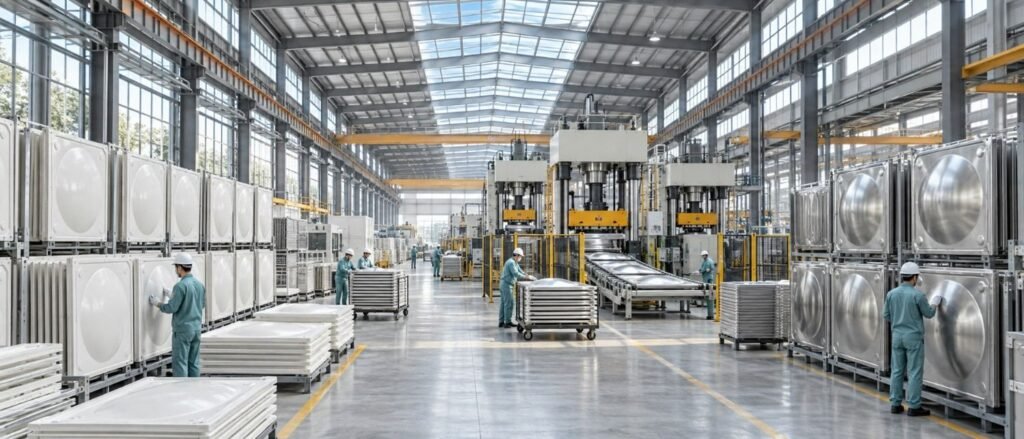 Materials
GRP vs Stainless Steel Water Tank: Choosing Between 5 Tank Materials
GRP or stainless? We compare all five tank materials we build on water chemistry, heat, weight, fire, upkeep and certificates, then match each to a duty.
25 Sep 202615 min readRead article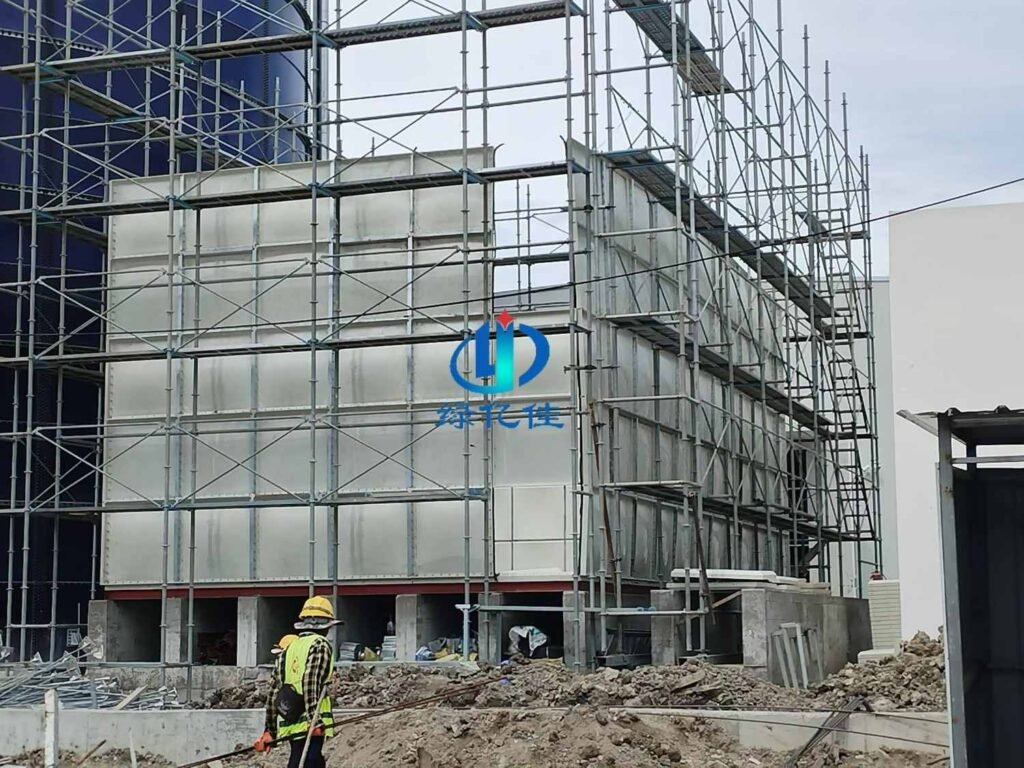 Installation
Sectional Water Tank Installation: Step by Step From Plinth to Water Test
A step-by-step guide to bolting up a GRP/SMC sectional tank: what to check before delivery, the build sequence, torque, the water test and disinfection.
25 Sep 202616 min readRead article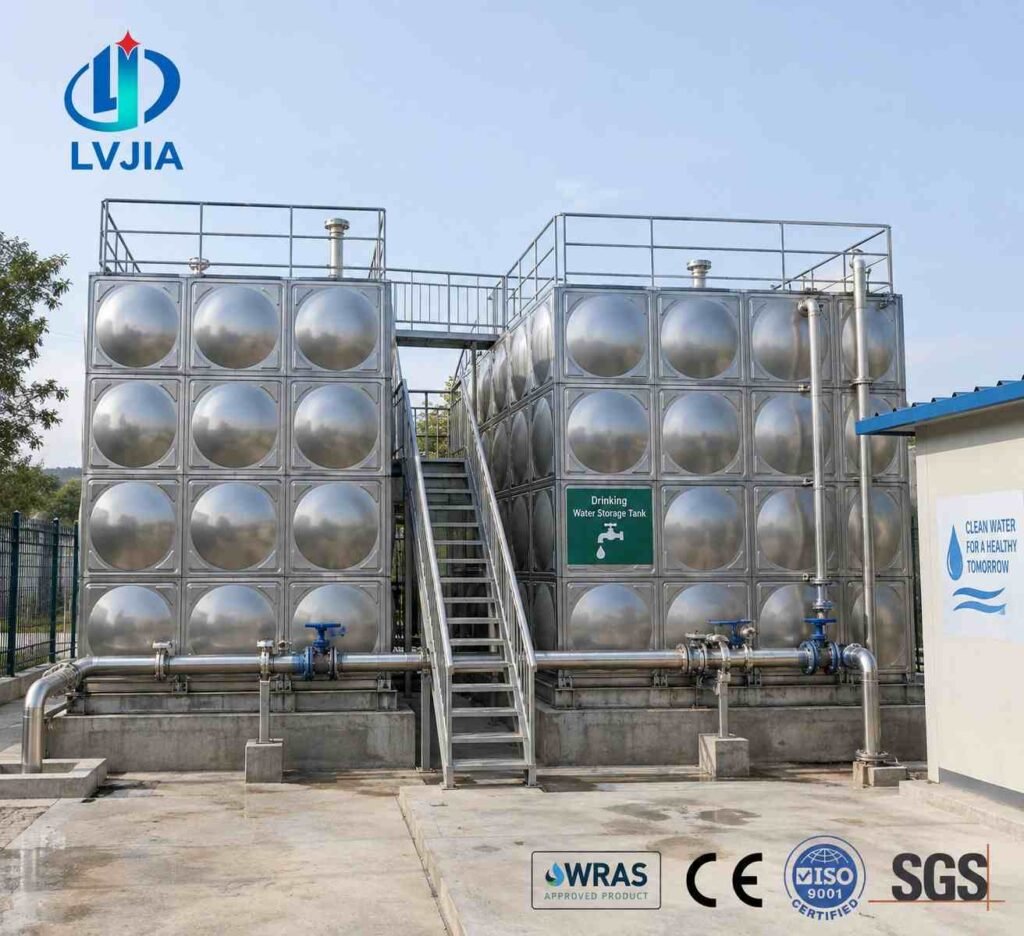 Maintenance
Water Tank Cleaning: How to Clean and Disinfect a Sectional Tank
How to clean and disinfect a sectional water tank: inspection intervals, confined-space entry, cleaning by material, AWWA C652 methods and chlorine dose math.
25 Sep 202616 min readRead article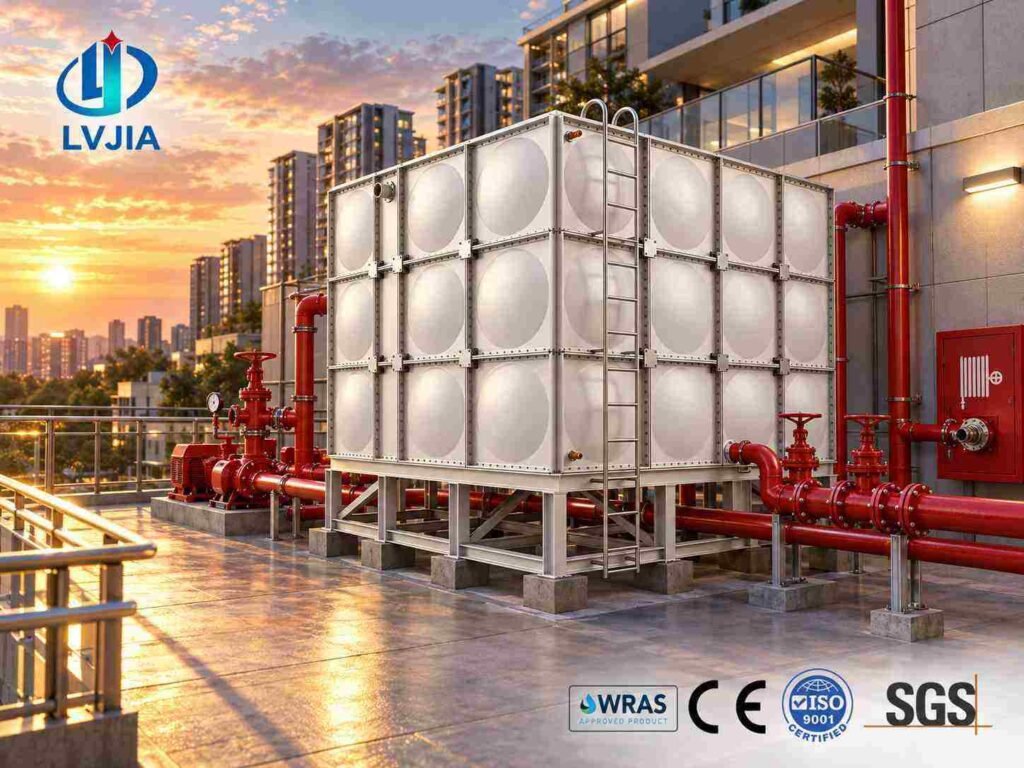 Standards & testing
Potable Water Tank Standards: What Each Market Requires in 2026
Which approval a drinking water tank needs in the UK, EU, North America, Singapore, Malaysia, Australia, the Gulf and China, and how to check a certificate is real.
25 Sep 202617 min readRead articleNothing written on that yet.
Clear the search, or pick another topic.The long read
Buying a water tank, in six chapters.
One complete water tank buying guide for first-time buyers — capacity, material, hygiene, foundation, shipping and paperwork. Every figure comes from tanks we have built and test sheets we have signed.
Read the full guideChapters06
Chapter 01 · Capacity and footprint
Start with capacity and footprint
A water storage tank begins as two numbers: the volume you have to hold and the rectangle you have to hold it in. Daily demand multiplied by the days of storage gives one figure; a fire duty — flow in litres a minute multiplied by the duration the standard asks for — gives the other. A duty of 2,700 L/min held for 150 minutes is 405 m³, not 450 and not 500.
Then remember that a sectional water tank is built out of modules. Our panels are pressed at 3 × 1 m; 2×1 m, 1.5×1 m, 1×1 m, 1×0.5 m and 0.5×0.5 m, so length, width and height step in those increments rather than landing on whatever number you write down. Working volume also sits below nominal, because the draw-off level is under the overflow. Size against the working level.
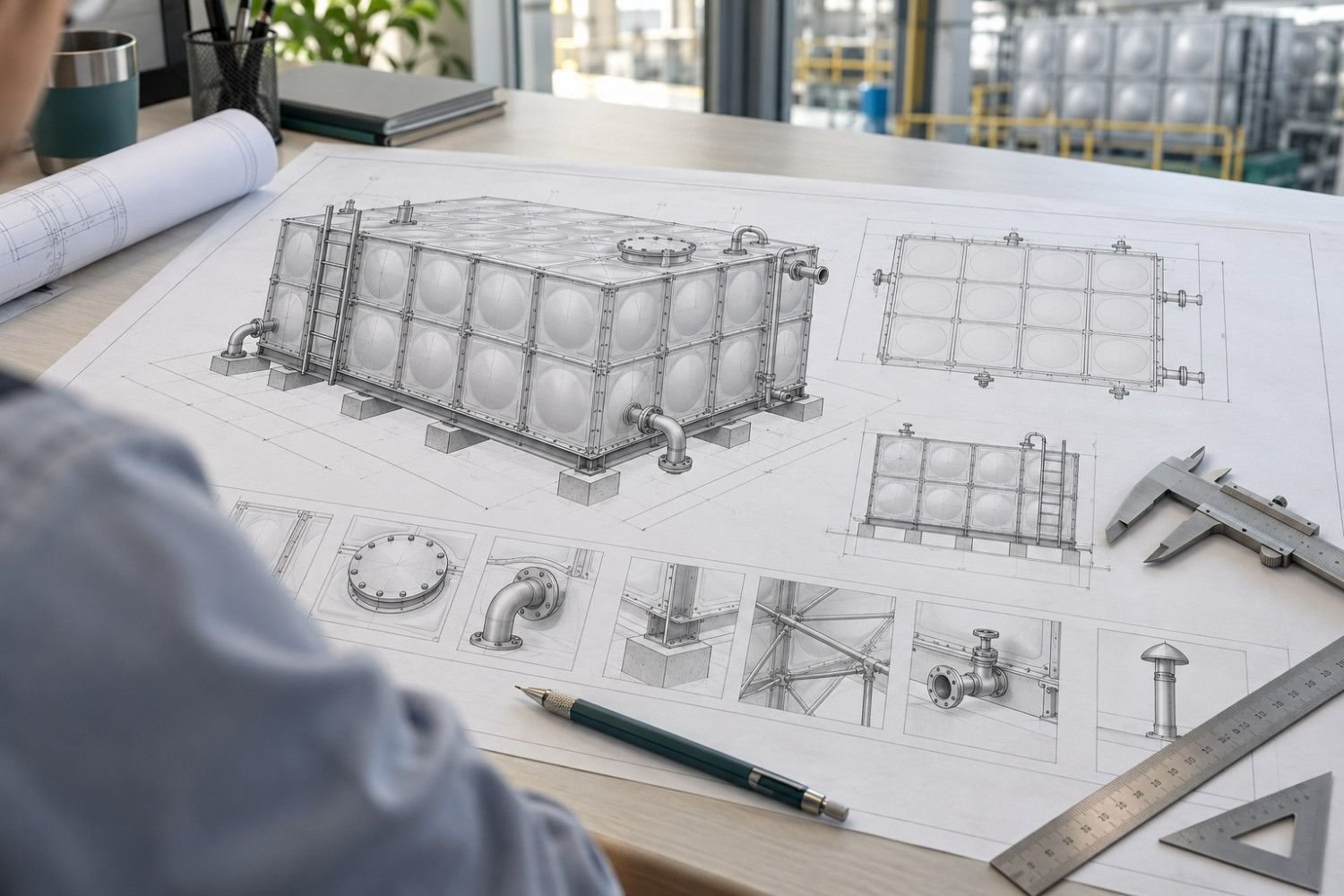
Nobody has ever regretted writing the duty down before asking for a price.
Chapter 02 · Material to the water
Match the material to the water
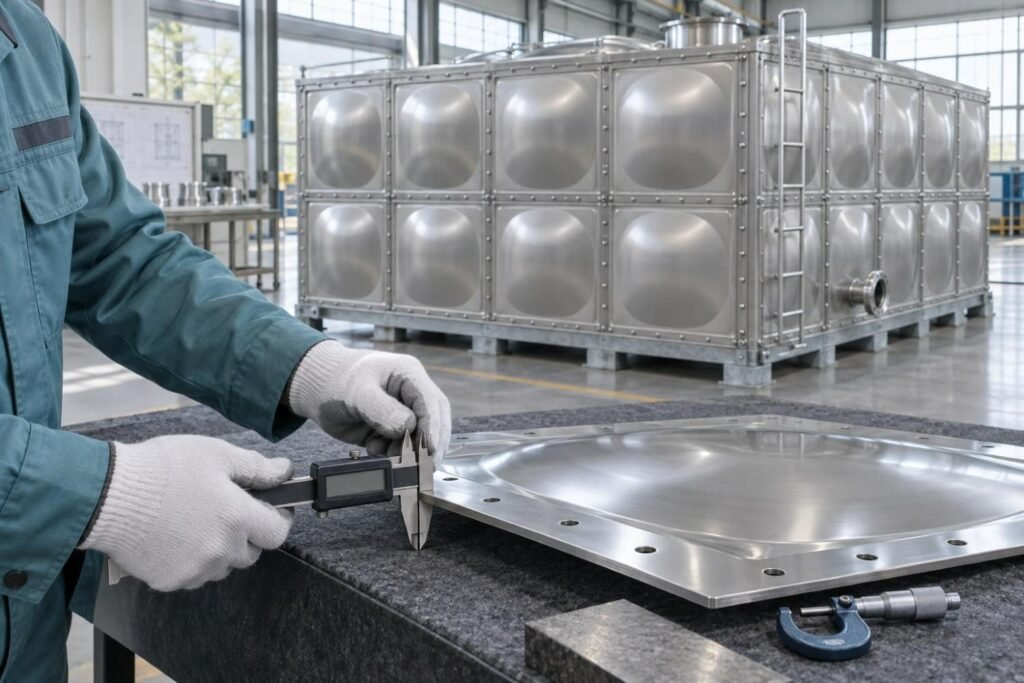
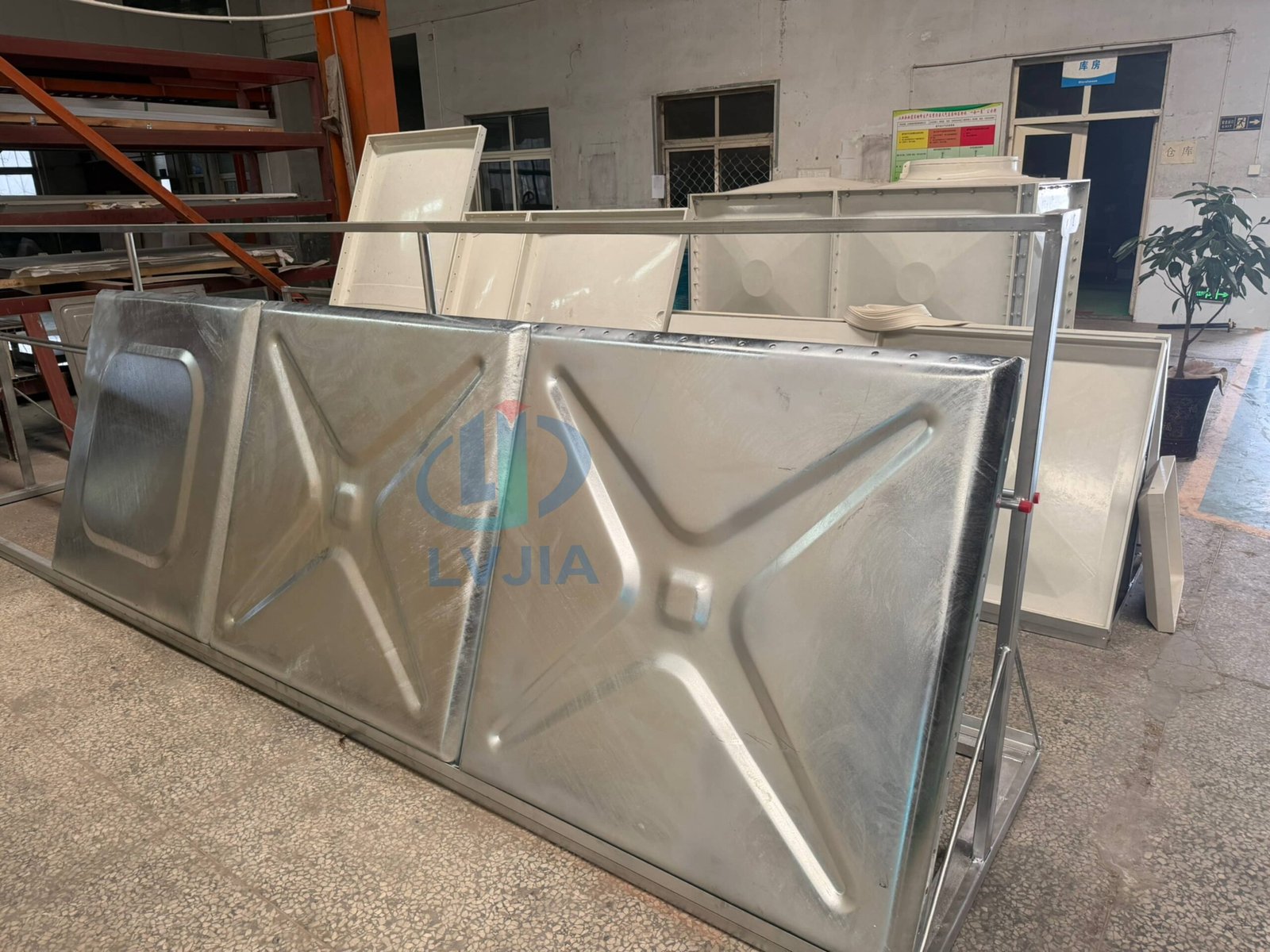
Five families leave this factory, and the choice between them is decided by what is in the water and how hot it gets. GRP/SMC panels — 6 to 22 mm, hot pressed and bolted — are the default for cold potable storage. Stainless steel in 304 or 316L, 1.5 to 4 mm (standard; up to 8 mm by design) and argon-arc welded, handles 0 to 100 °C and anything that must not pick up a taste.
Hot-dip galvanized Q235, 2 to 5 mm, bolted through rubber-backed joints, is the economical choice for site water, irrigation and fire reserves up to 3,000 m³. Enameled glass-fused-to-steel panels take 4 to 100 °C and aggressive contents. BDF composite plate, 2 to 5 mm and anti-floating, is the one that goes in the ground.
Chapter 03 · Drinking-water safety
Plan for hygiene and drinking-water safety
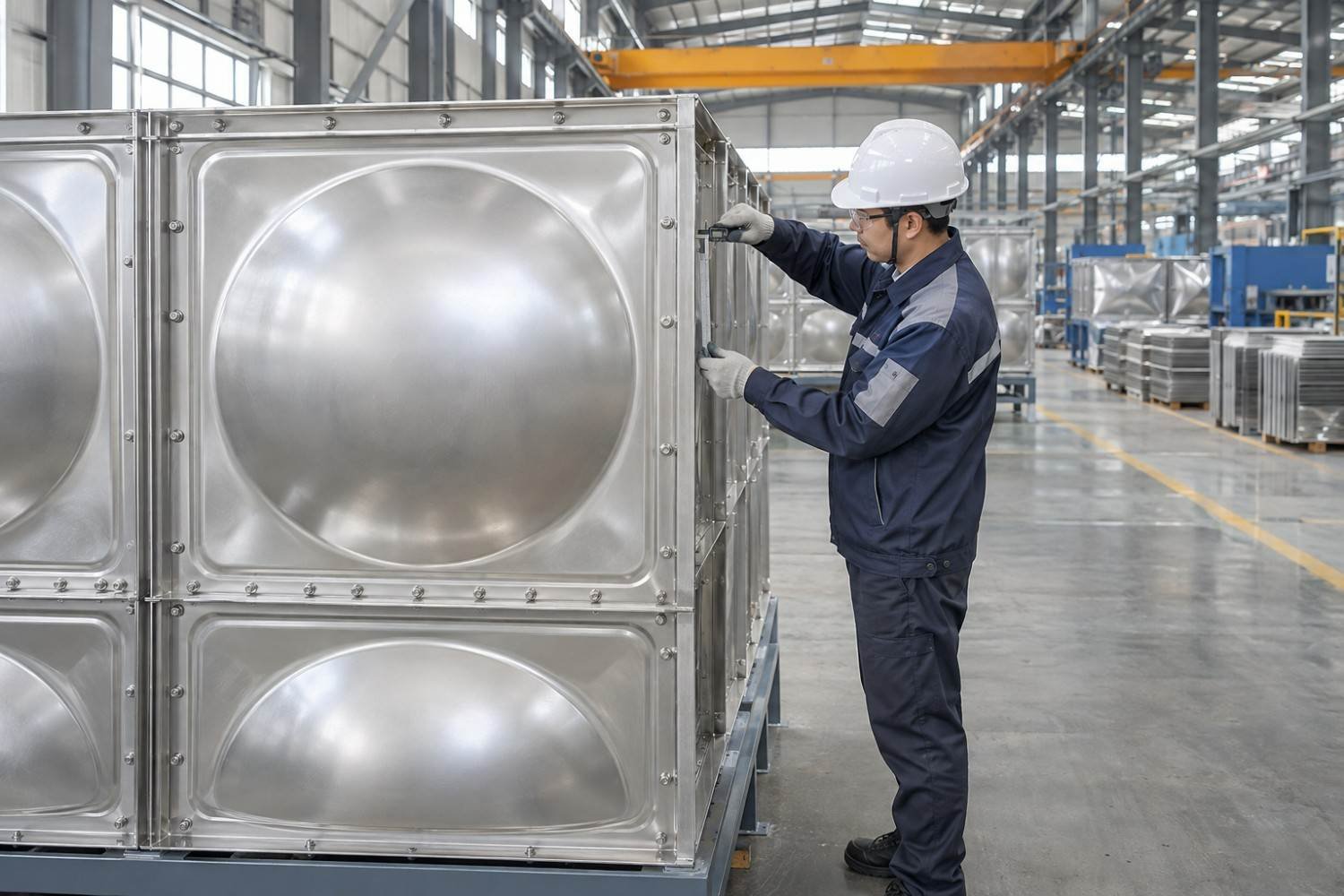
If the water tank holds drinking water, ask for the contact test before you ask for anything else. Ours were run by the Dezhou Institute of Product Quality Standards and Metrology against GB/T 17219-2025: report SP2630502 covers the GRP/SMC tank and passed all twenty items on 18 May 2026. The stainless, BDF, enamel and galvanized tanks carry their own reports — SP2630498, SP2630499, SP2630500 and SP2630501.
The rest is design. A sealed lid and a lockable manhole, insect screens on the vent and the overflow, the inlet high and the outlet low so the water turns over, no dead legs in the pipework, and an internal ladder in stainless rather than painted steel. A tank that passes a test sheet can still go stale if the water never moves.
Chapter 04 · Site and foundation
Prepare the site and foundation
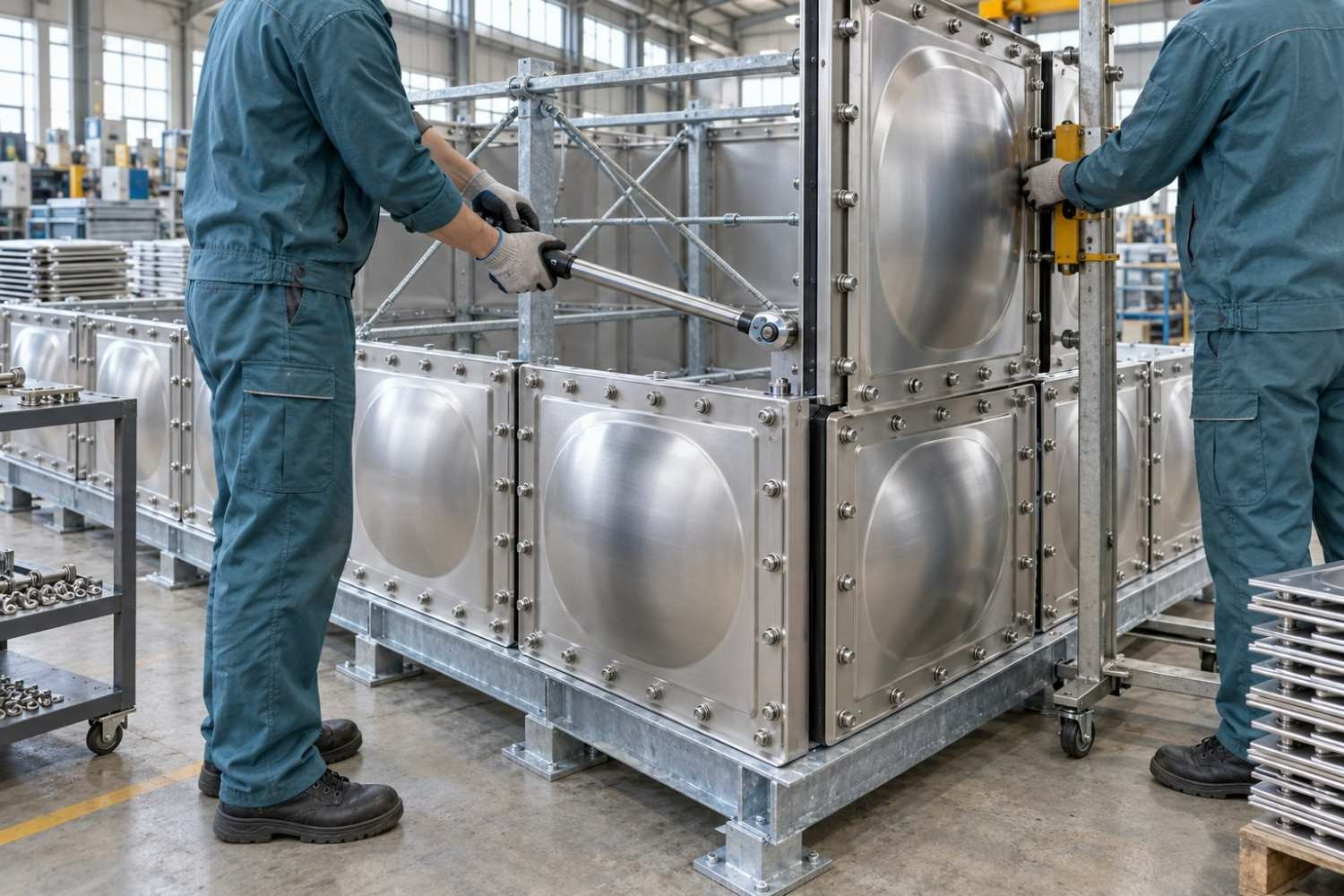
A sectional water tank does not sit on a slab the way a moulded tank does. It sits on a line of plinths or a steel frame, and every panel joint needs one under it — which means the plinth grid follows the panel grid, one metre apart for standard modules. Get that wrong and the floor panels carry load where they were never designed to.
Level matters more than strength. The bearing surfaces should be flat and level across the whole footprint before the first panel arrives. Leave working clearance on every side for the bolting crew and for a bolt spanner to swing, and leave head room above the top course. Bases poured before the general arrangement drawing is approved are the single most common reason an installation slips a week.
Chapter 05 · Shipping and assembly
Shipping, unpacking and assembly
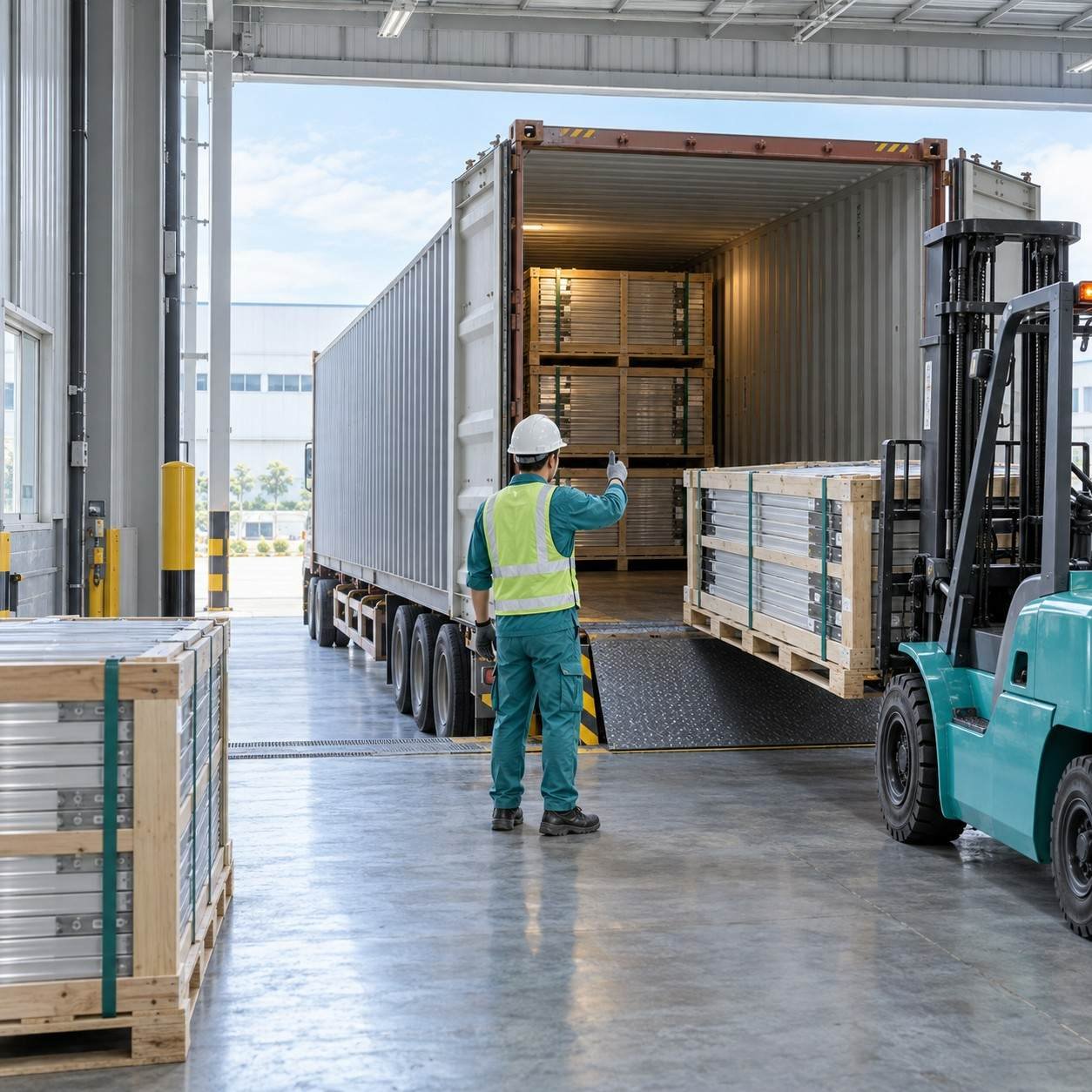
Sectional tanks ship flat. Panels are crated in stacks, the bolts, gaskets, sealant, ladder and fittings are kitted per tank, and a large reserve that would never fit on a truck as one piece travels as ordinary container freight through Tianjin or Qingdao. That is the whole economic argument for a bolted tank.
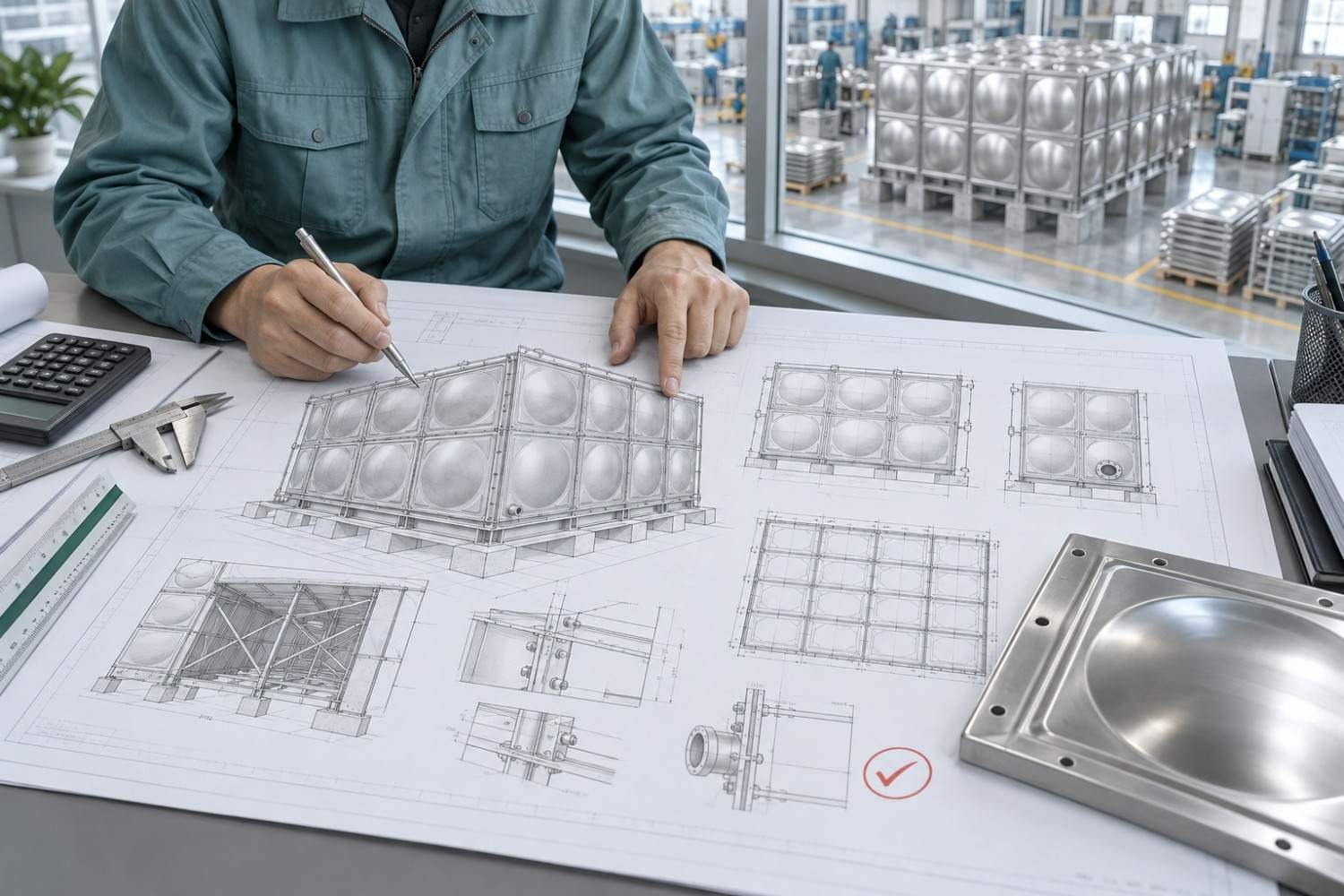
On arrival, count the crates against the packing list before you sign anything, and keep the kit box closed until the floor is down. Assembly runs floor first, then the walls course by course, then the roof, with the bolts brought up to torque in a pattern rather than one corner at a time. Fill, leave it standing, and check every joint before the pipework goes on.

Chapter 06 · The documents to ask for
The documents you should ask for
Ask for the paperwork while the order is being placed, not while the water tank is being commissioned. The short list: an approved general arrangement drawing with the panel layout and a nozzle schedule; material certificates for the panels and the fixings; the drinking-water contact test report if it holds potable water; the CE declaration; and the packing list.
Our management-system certificates are issued to Shandong Lvjia Air Conditioning Equipment Co., Ltd. — ISO 9001:2015 (07624Q0960R3S-SD/001), ISO 14001:2015 (07624E0636R2S-SD/001) and ISO 45001:2018 (07624S0578R2S-SD/001) — and the CE Verification of Conformity to EN 13280:2001 is ICR/VC/HS2506113. SGS has assessed the factory as a verified supplier. Every one of those has a number you can check with the body that issued it.
Browse by topic
Find the answer by subject.
Everything we write falls into one of these seven shelves — from a water tank buying guide to installation, maintenance and the test reports behind them. Pick the one closest to the job in front of you.
Product guides
Choosing, specifying and sizing a water storage tank before you buy it.
Browse 02 7articlesInstallation
Foundations, plinth grids, bolting sequence and the days on site.
Browse 03 6articlesMaterials
SMC, stainless, galvanized, enamel and BDF compared, panel by panel.
Browse 04 5articlesStandards & testing
Drinking-water test reports, CE and ISO certificates, and sign-off.
Browse 05 3articlesMaintenance
Inspection, cleaning schedules and replacing a single panel.
Browse 06 5articlesIndustry
Farms, plants, mines, hotels and municipal water schemes.
Browse 07 2articlesCompany news
Factory updates, exhibitions and new certifications.
Browse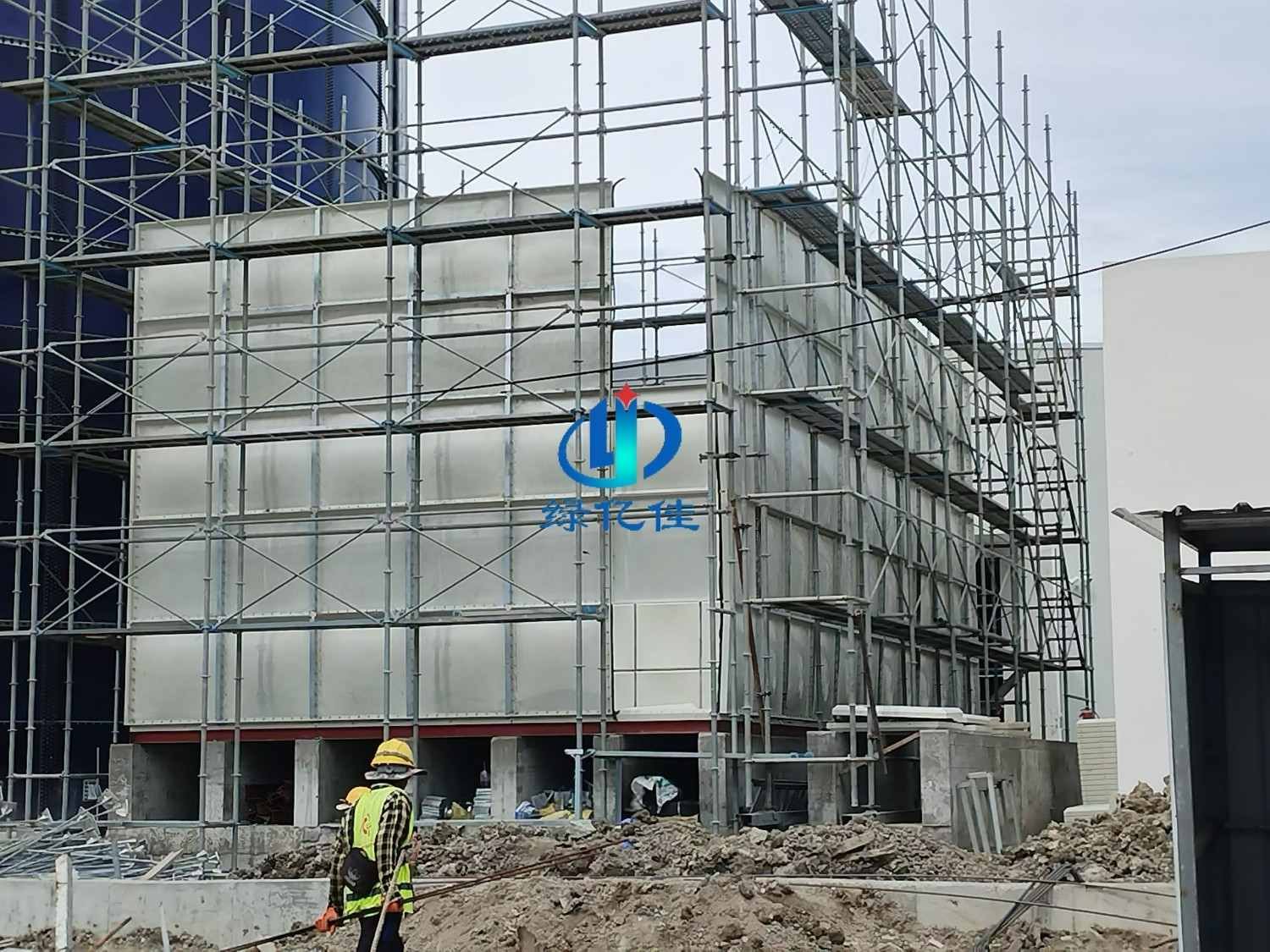
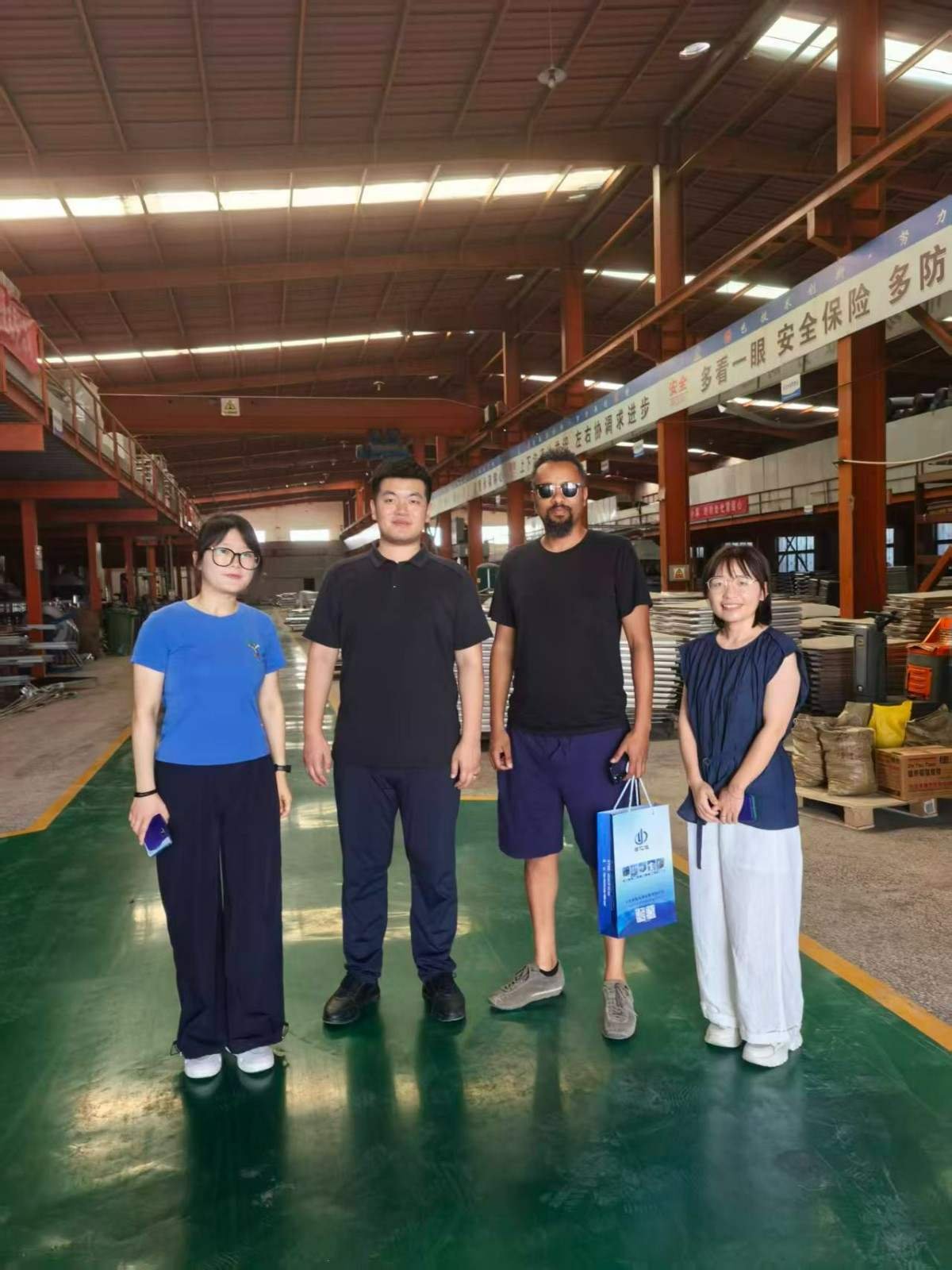
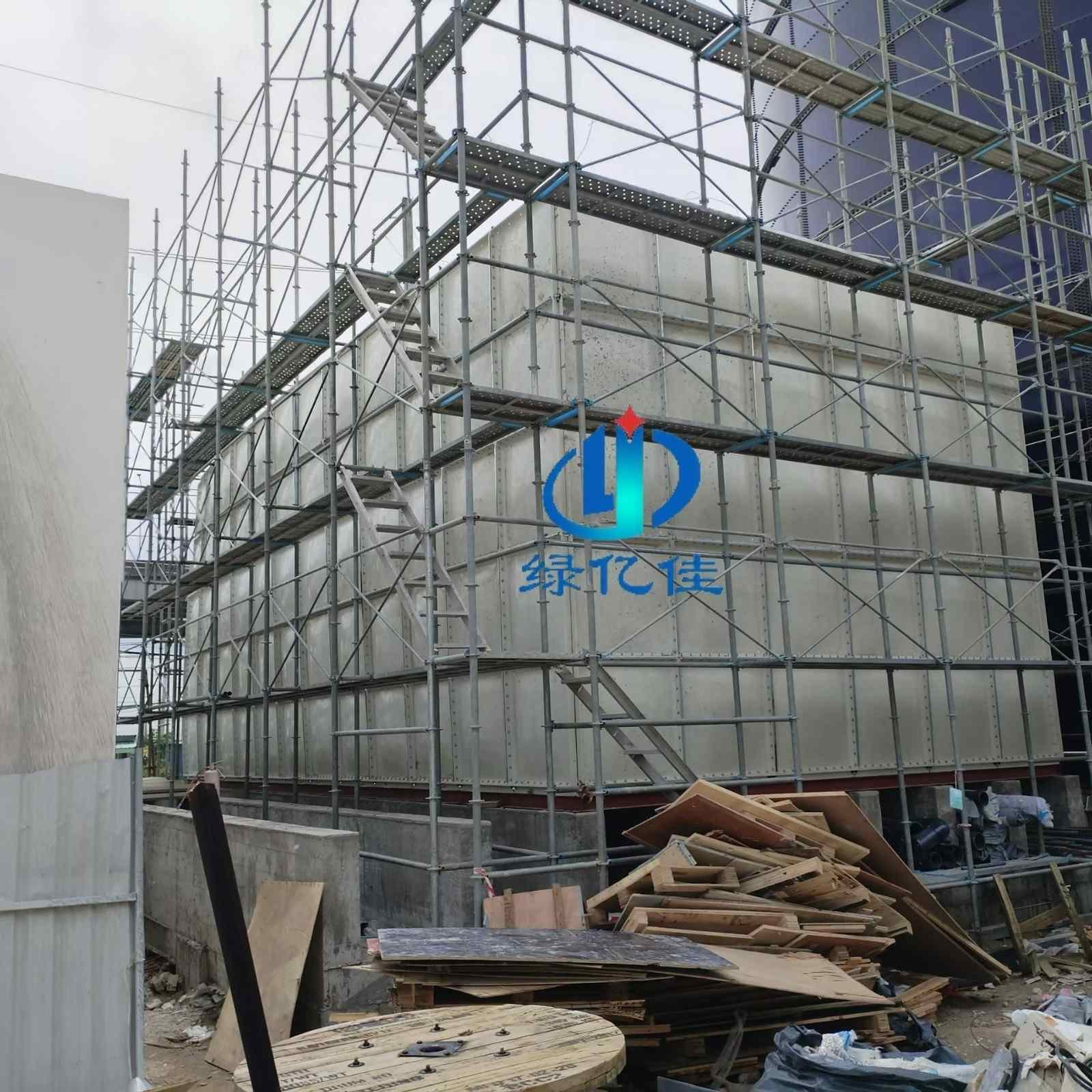 Written on site No ghostwriters Building tanks since 2015
Tested, not claimed
20 / 20drinking-water items passed · GB/T 17219-2025
What it is for
Written to be used, not to rank.
Every article answers a question an engineer actually asked us.
The journal in numbers
Written by the people
who build the water tanks.
Every article comes out of our own factory floor and engineering office in Wucheng County, Dezhou — not from a content agency. Here is what that is built on.
- 33Articles published Water tank guides, factory news and engineering answers, all from our own builds.
- 5Tank types we write about GRP/SMC, stainless steel, hot-dip galvanized, enameled and BDF underground.
- 20/20Drinking-water items passed GB/T 17219-2025, report SP2630502, issued 18 May 2026 by the Dezhou Institute.
- 11,000 m²Factory behind the writing Three production lines and 25 machines, SGS-assessed as a verified supplier.
- 2 hours Questions answeredEvery question sent to the journal reaches an engineer, and the useful ones become the next article.
“Design: perfect fit. Service: excellent service from Lvjia Guan.”Verified buyer, Netherlands · GRP sectional tanks, Aug 2026
What we make
The tanks behind the articles.
Five families, all pressed, welded or bolted in Wucheng County and water tested before they ship. Every article on this page comes out of one of them.
 01
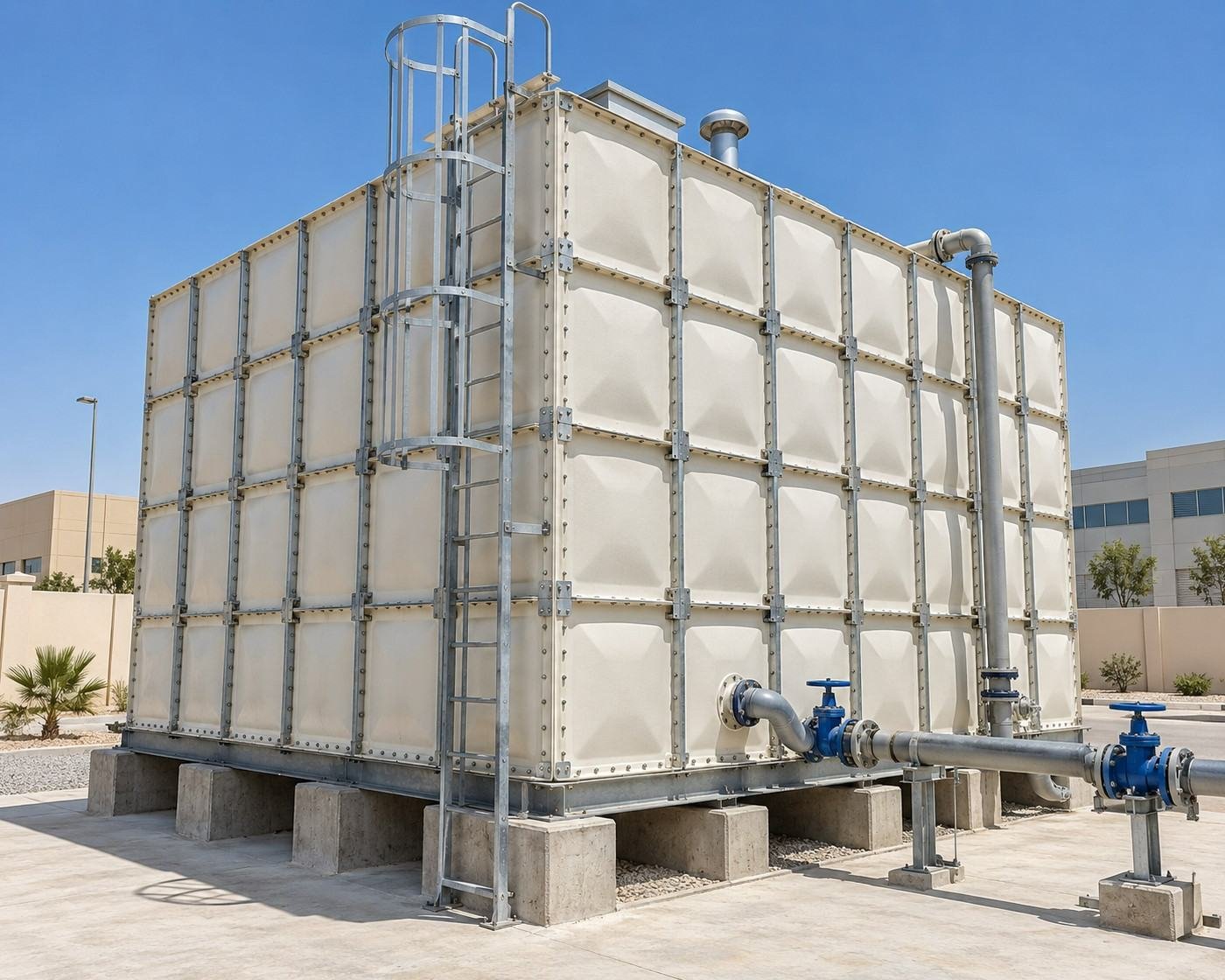
GRP / SMC panel tanks
Hot-pressed SMC panels bolted on site. Twenty of twenty drinking-water items passed.
- 0.125 – 5,000 m³
- 6 – 22 mm panels
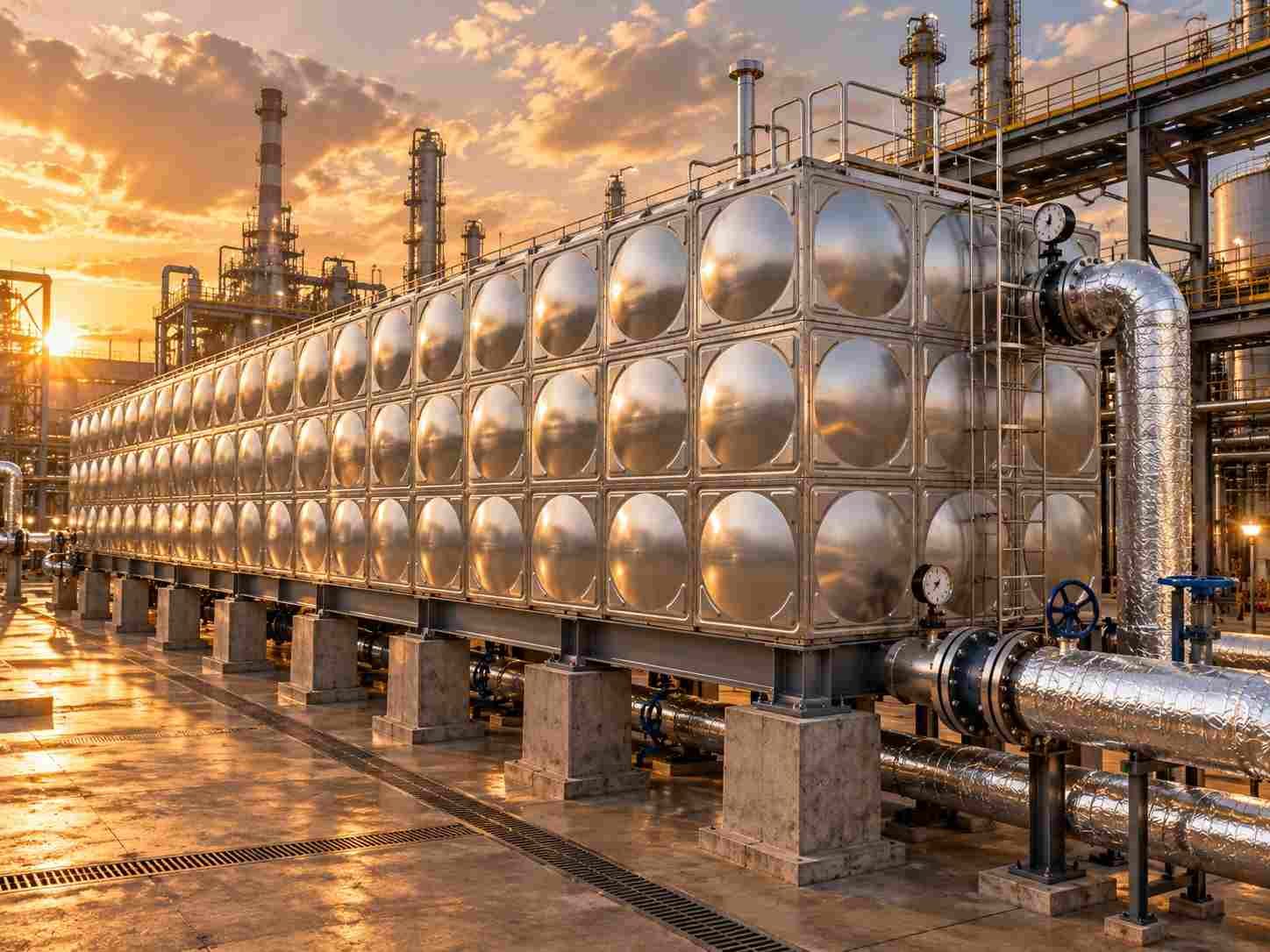 02
Stainless steel tanks
SUS 304, 316 and 316L, argon-arc welded or panel built, for 0 to 100 °C duty.
- 304 / 316 / 316L
- 1.5 – 4 mm (standard; up to 8 mm by design)
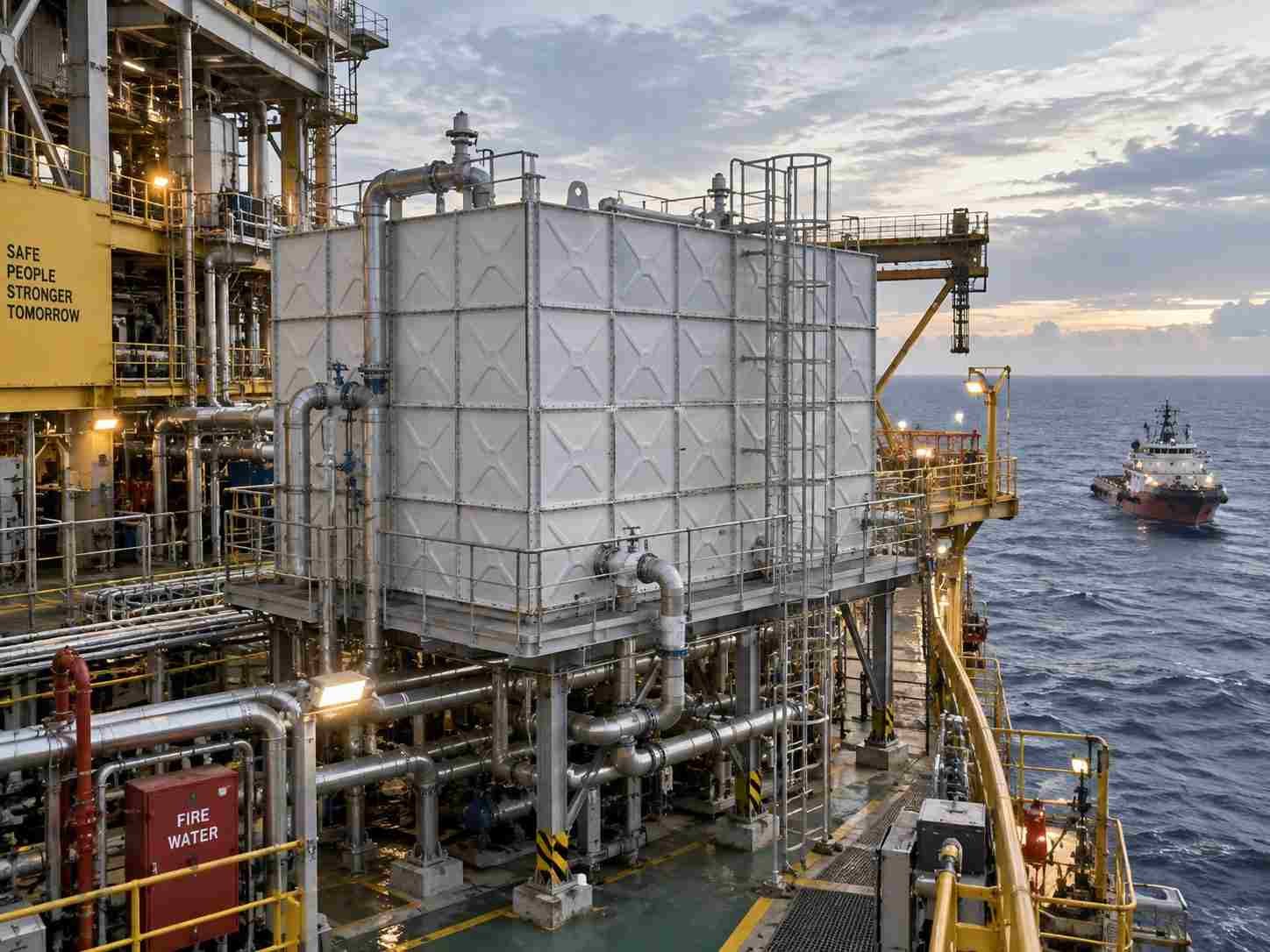 03
Hot-dip galvanized tanks
Q235 steel bolted through rubber-backed joints — site water, irrigation and fire reserves.
- 1 – 3,000 m³
- 2 – 5 mm
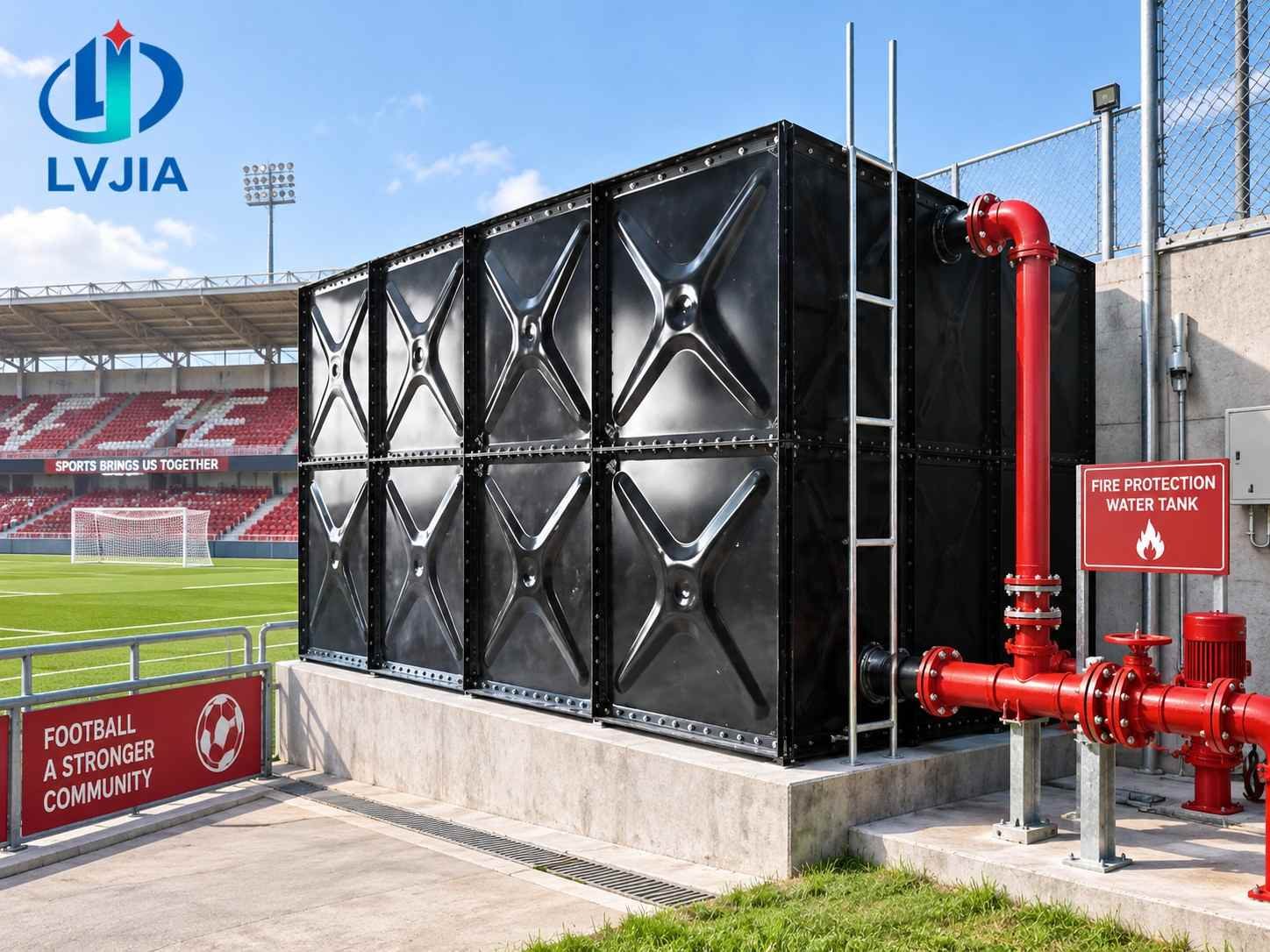 04
Enameled steel tanks
Glass-fused-to-steel panels for aggressive contents, biogas and sludge duty.
- 4 – 100 °C
- Bolted panels
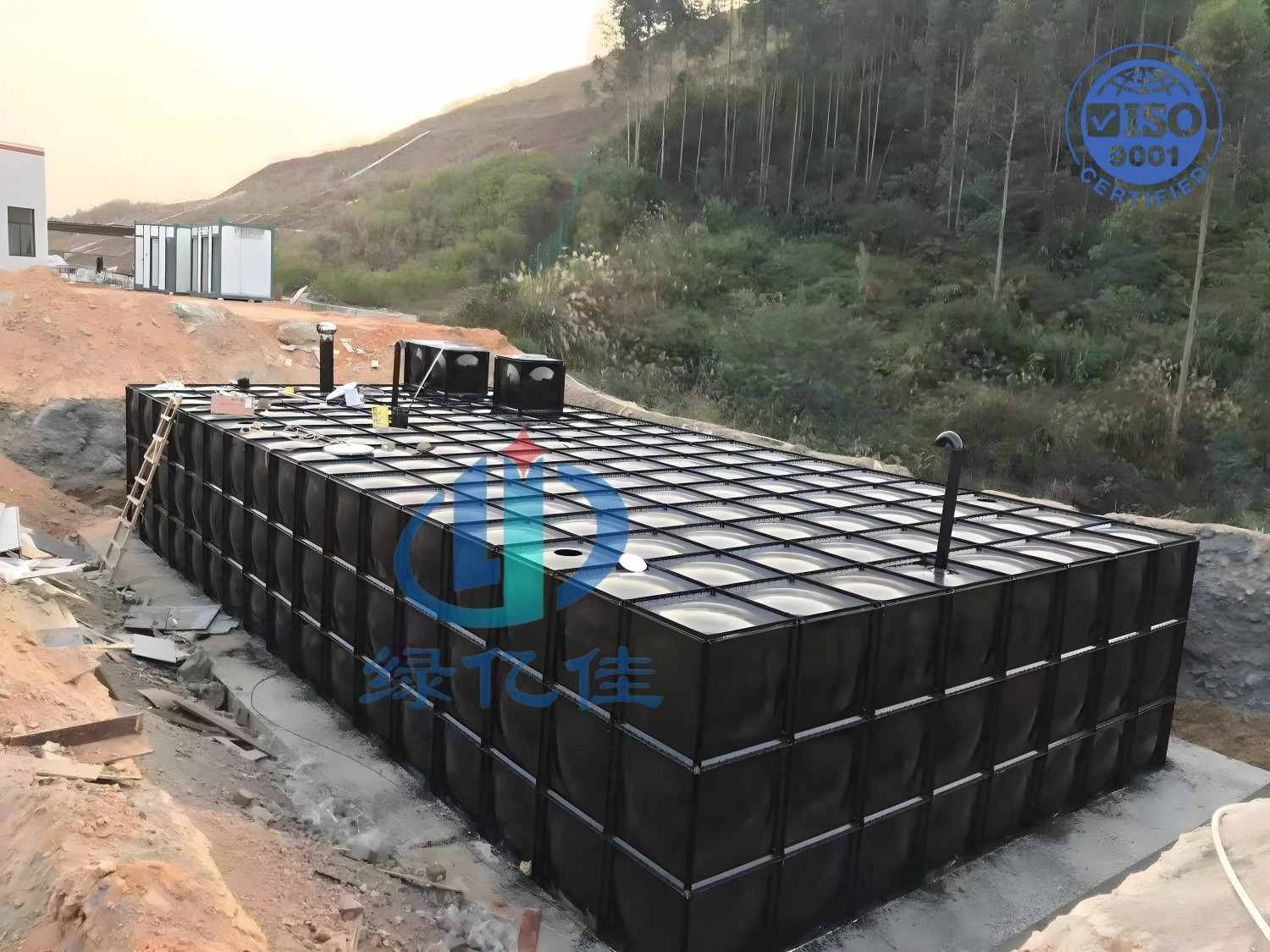 05
BDF underground tanks
Composite plate, anti-floating, built to be buried under a yard or a landscape.
- 1 – 1,000+ m³
- 2 – 5 mm
Frequently asked questions
Water tank buying guide: quick answers
The short version of this water tank buying guide. Each answer is the same one our engineers give on the phone, with the numbers we actually build to.
What does this water tank buying guide cover?
It follows the order a real purchase happens in: capacity and footprint first, then material, then hygiene and drinking-water safety, then site and foundation, then shipping and assembly, and finally the documents you should insist on. Each of the six chapters is written from tanks we have actually built, and the 33 articles on this page go deeper on single questions such as panel thickness, torque values or winter duty.
How do I size a water tank without over-buying?
Start from duty, not from a catalogue. Work out the stored volume the duty requires, then check it against the footprint and headroom you have, then add the draw-down and refill rate. Fire reserves are sized from the required duration at full flow, which is where most over-buying happens. Sectional tanks are built from panel modules of 2x1, 1.5x1, 1x1, 1x0.5 and 0.5x0.5 m, so the water tank is shaped to your space rather than rounded up to the next drum size.
Which tank material should I choose?
Match the material to the water and the site. GRP/SMC is the default for potable storage in plant rooms and rooftops: light, corrosion-proof and it ships flat. Stainless steel suits process and hygienic duty, with 316L where chlorides are present. Hot-dip galvanized is economical for large outdoor reserves. Enameled steel gives long municipal life, and BDF is for buried stores.
How do I know a water tank is safe for drinking water?
Ask for a water contact test report on the actual panel material, not a general statement. Ours are tested to GB/T 17219 at a state institute, covering 20 parameters, and each report carries its own number. In other markets the equivalent references are NSF/ANSI 61 and the UK WRAS scheme. Every report we hold is listed with its number on the certifications page.
What does the site need before the water tank arrives?
A level, load-bearing base and clear access. We work to 3 mm over any 3 m of plinth, because a sectional tank transfers its load through the base course and a high spot will hold a panel joint open. You also need the inlet, outlet, overflow, drain and vent positions agreed before panels are pressed, since those penetrations are punched at the factory. The plinth layout is issued with the approved drawing.
How is a sectional water tank delivered and assembled?
Flat-packed and bolted. Panels, stiffeners, bolts and gaskets are kitted per tank so one crate equals one water tank, shipped out through Tianjin or Qingdao. On site the water tank bolts together with hand tools, so no welding, no hot-work permit and no crane. That is what lets a tank go into a plant room through a 2.1 m door, and it is why a damaged panel can later be replaced on its own instead of scrapping the tank.
Which documents should I ask a supplier for?
At minimum: the approved general arrangement drawing, the material certificates for the panels, the water contact test report, the hydrostatic test sheet for your water tank, the quality management certificate and the packing list. We issue all of these, and blank templates plus the standing certificates are on the datasheets and downloads page. If a supplier will not name the issuer and number of a certificate, treat the certificate as absent.
Is a bolted tank better than a welded one?
For most storage duties on a coastal or corrosive site, yes. A bolted sectional tank has no heat-affected zone, ships flat, can be assembled in a confined space and can be repaired panel by panel. A welded tank makes sense where a fully seamless interior is required, which is why we still build argon arc welded stainless tanks for process duty. The right answer follows the duty, not the fashion.
How much does panel thickness matter?
A great deal, and it is not uniform. Hydrostatic pressure rises with depth, so the bottom course carries the most load: on a tall GRP tank that means 14 mm at the base where the top course may be 6 mm. Panel thickness across our SMC range runs from 6 mm to 22 mm and is selected per course against tank height. A supplier quoting one thickness for a whole tank is quoting a water tank that is either over-priced at the top or under-designed at the bottom.
What is the most common mistake when buying a water tank?
Approving the drawing quickly. The approved drawing is the contract: panel layout, penetration positions, ladder and manhole placement and plinth centres are all fixed from it, and changing any of them after pressing costs time. Read it against the plant room, not against the specification. If you want a second pair of eyes, our engineers review drawings free through technical support and reply within 2 hours.
Which water tank range does this guide apply to?
All of them, but the sizing and material chapters matter most when you are choosing between ranges. Compare GRP/FRP/SMC for plant rooms and rooftops, stainless steel for potable and process duty, hot-dip galvanized for large outdoor reserves, enameled steel for long municipal life and BDF underground for buried storage. Each range carries 13 models, and the full catalogue shows them side by side.
Talk to us
Tell us the capacity and where it’s going.
Custom-built water tanks from 1 m³ upward, made to order in Wucheng County, Dezhou and shipped worldwide through Tianjin or Qingdao. Send the volume, the water and the space you have — our engineers reply within two hours with a panel layout.